

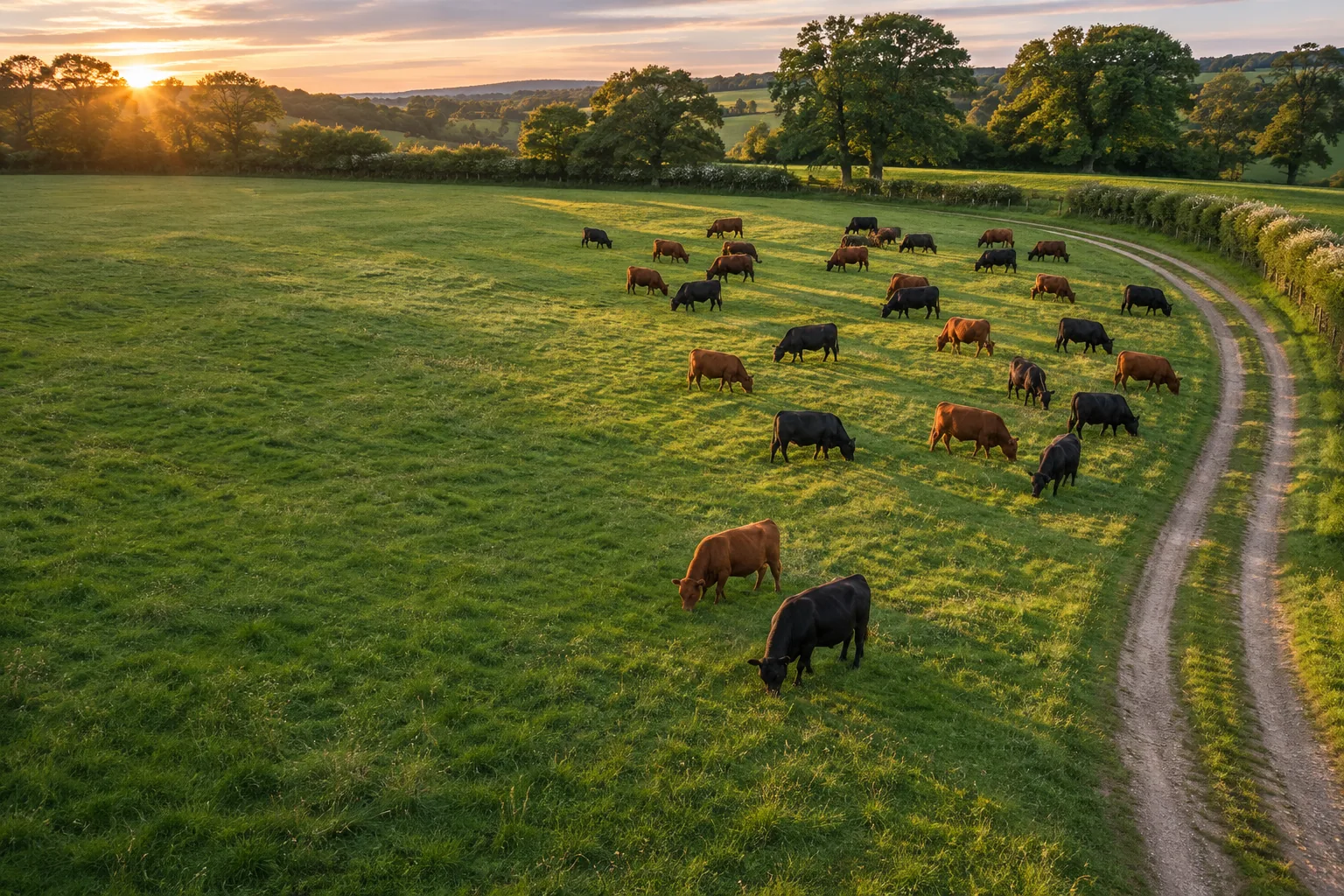
Keep tabs
on the herd.
Livestock and equipment tracking for ranch crews. Draw a virtual fence on your phone, and the collars keep the herd inside it. Then see where every animal was last reported, and when.
- Goats, sheep and cattle
- No cell signal needed in the pasture
- Fences you move from your phone
Building fence is slow. Moving it is slower. Grazova puts the fence on the collar, so the line moves when you do, and the crew always knows where the herd was last reported.
Fences you draw
Outline a pasture, a strip or a place to stay out of. Move it from the truck, the kitchen or the gate.
Collars that cue, then report
Each collar plays a tone as its animal nears the line, and reports where it is to the base station on your farm.
Records the crew can use
See where each animal was last reported and when, and leave the next person one clear place to start.
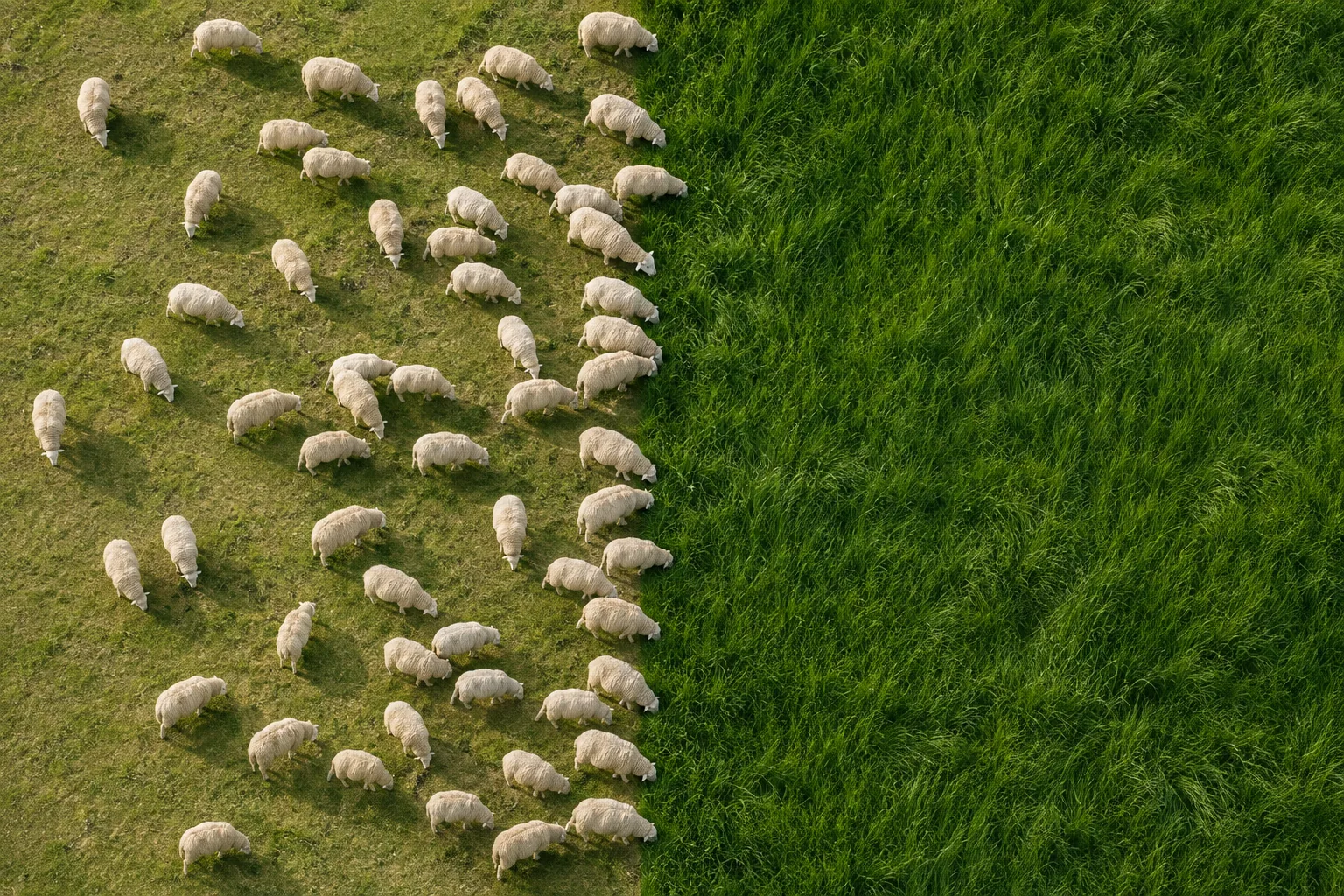
The line is real. The fence isn’t.
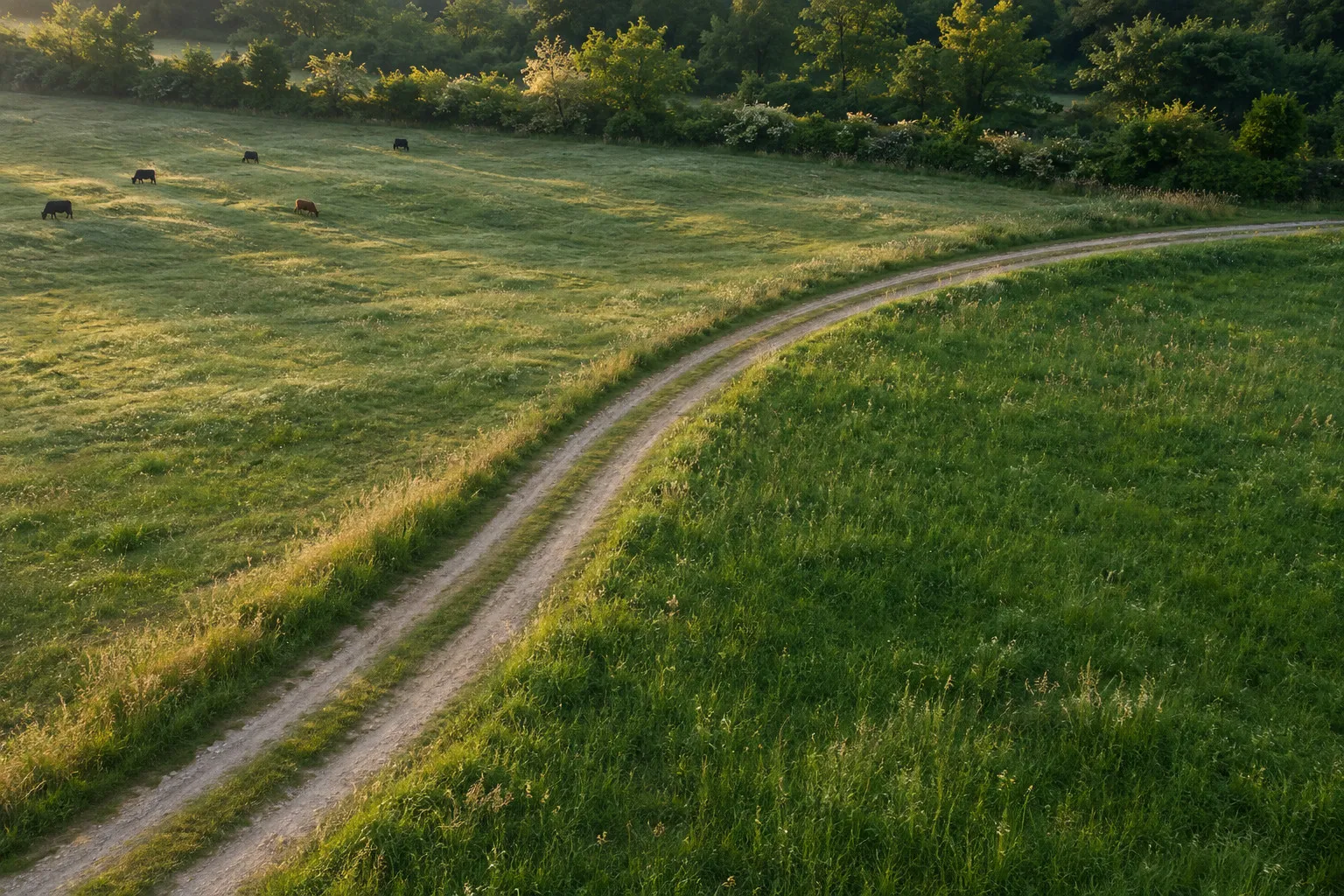
That edge between grazed and fresh grass is a Grazova strip. No posts, no reels, no wire: the collars hold the flock to a line drawn in the app, and tomorrow it moves forward on its own.
From a line on the map to a herd that stays inside it.
- 01
Draw the pasture.
Trace the boundary on the map in the app, or walk it with your phone. Name it the way your crew already does. Grazova sends the line to every collar in the group.
The collar checks its own position against the line, so the fence holds even when the radio link to the barn drops.
- 02
Sound comes first.
As an animal walks toward the line, its collar plays a tone. If it keeps going, a short, mild pulse follows. Turn back and both stop.
Animals learn the tone during a training period with your existing fence still standing.
- 03
Move the strip, not the posts.
Give the herd a fresh strip of grass from your phone, on the spot or on a schedule. The new line reaches the collars over the farm’s own radio.
No reels, no step-in posts, no walk across the field at dawn.
- 04
Hand off with the facts.
Every record names the animal or group, the pasture and the time of the last report. The next person on the job knows where to start.
An alert goes to the crew when an animal is reported outside its pasture.

Illustrative app screens. Pastures, tags and times are examples.
Made for the herd you run.
Small flocks and working herds, on ground that’s hard to fence or changes with the season.
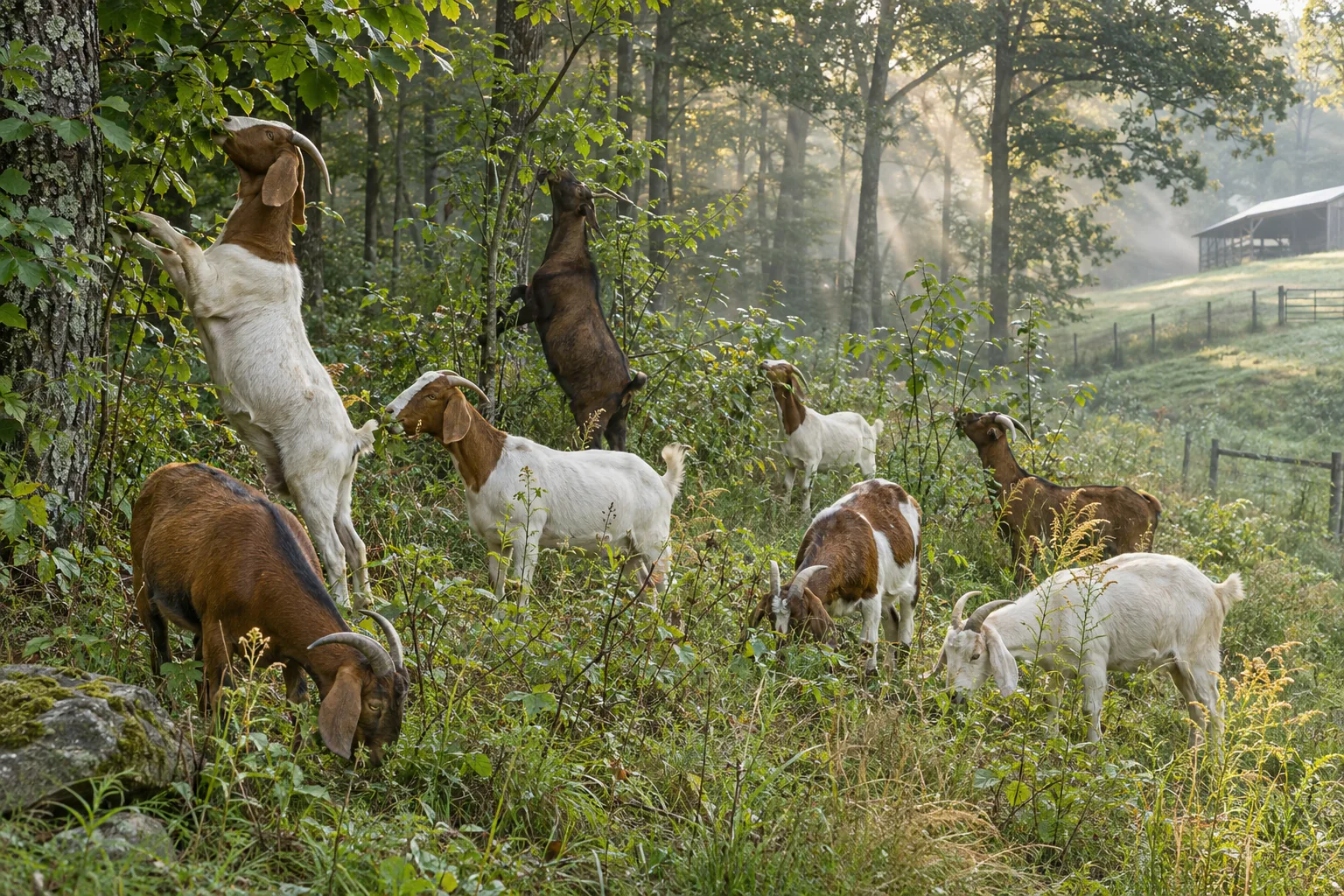
Goats
Put a herd to work on brush, woodland and fence rows without fencing every patch.
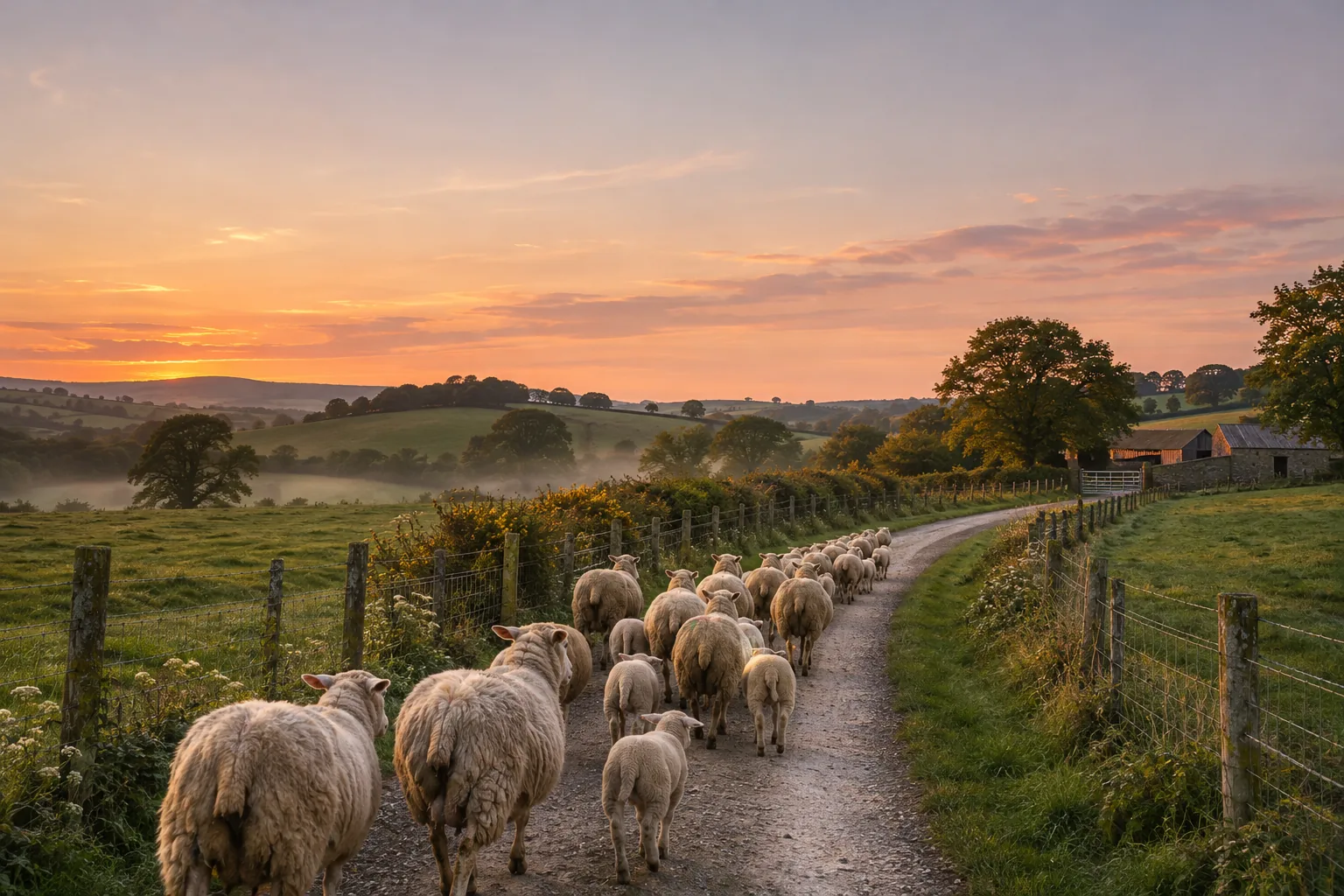
Sheep
Strip-graze a flock one section at a time and know which strip they were on at the last report.
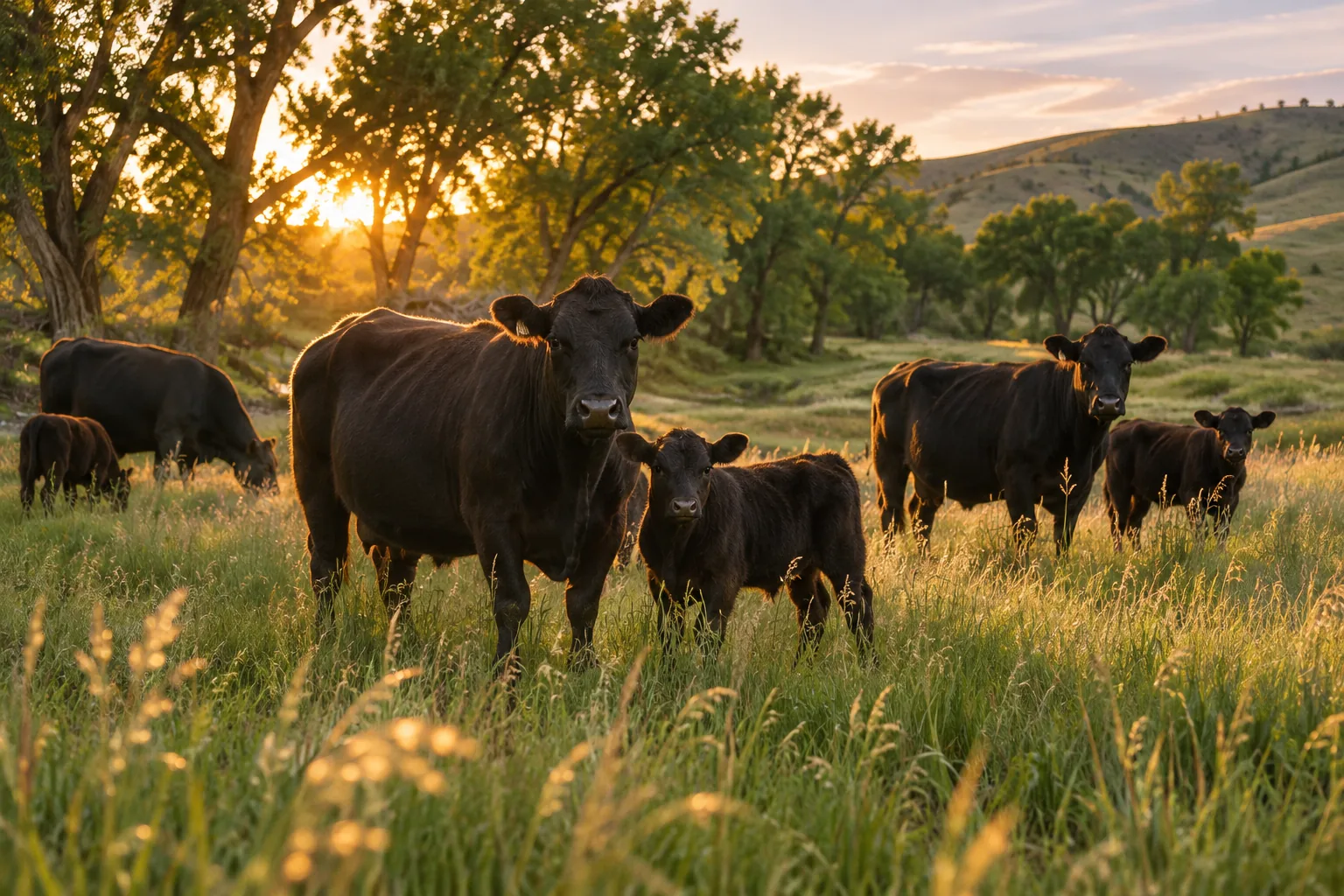
Cattle
Rotate a cow-calf herd through paddocks and keep them off the creek bank and the wet corner.
Collars, a base station and one app.
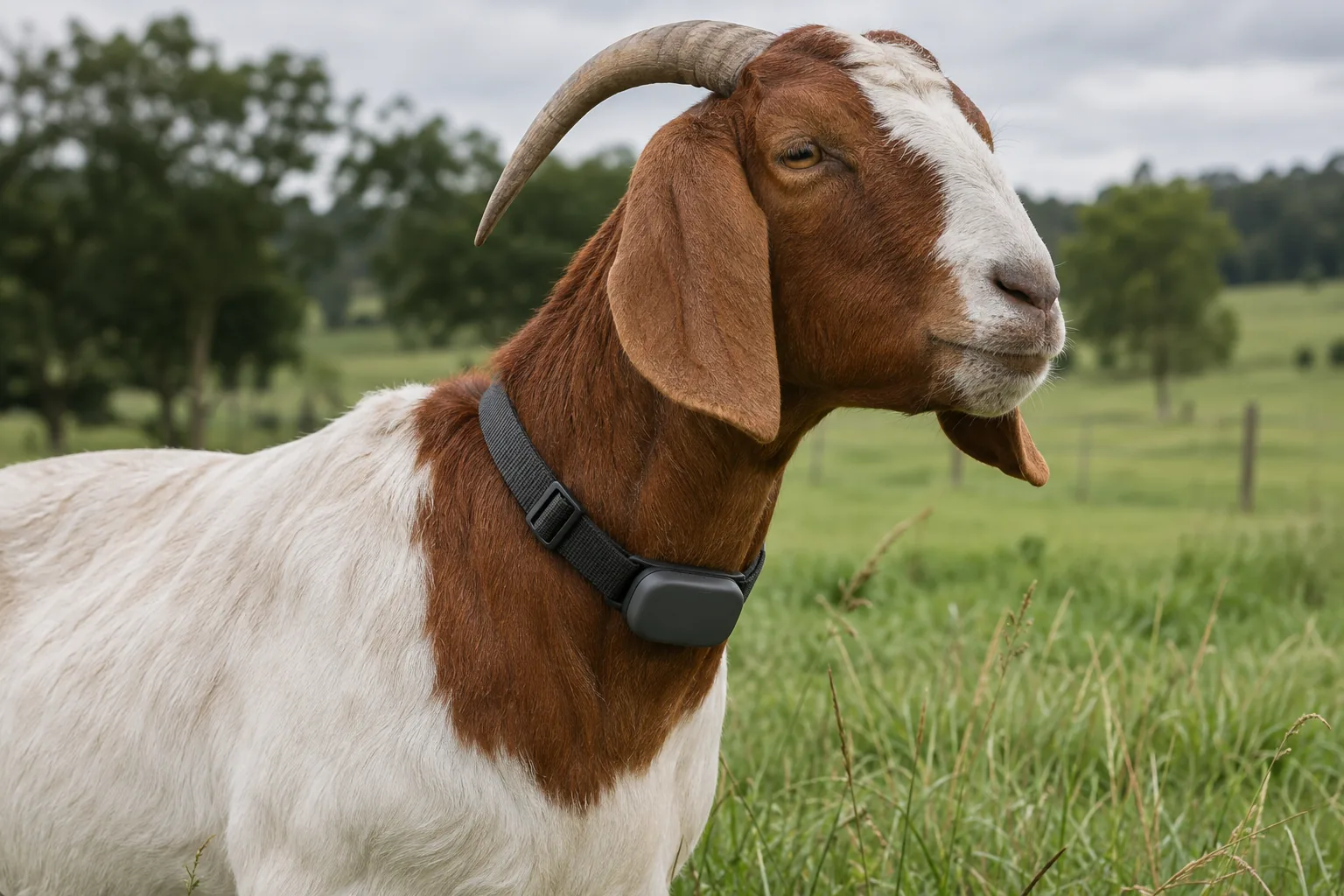
The fence travels with the animal.
One collar for each animal, with GPS, a speaker for the tone and a long-range radio. The line is stored on the collar, so it holds when the signal doesn’t.
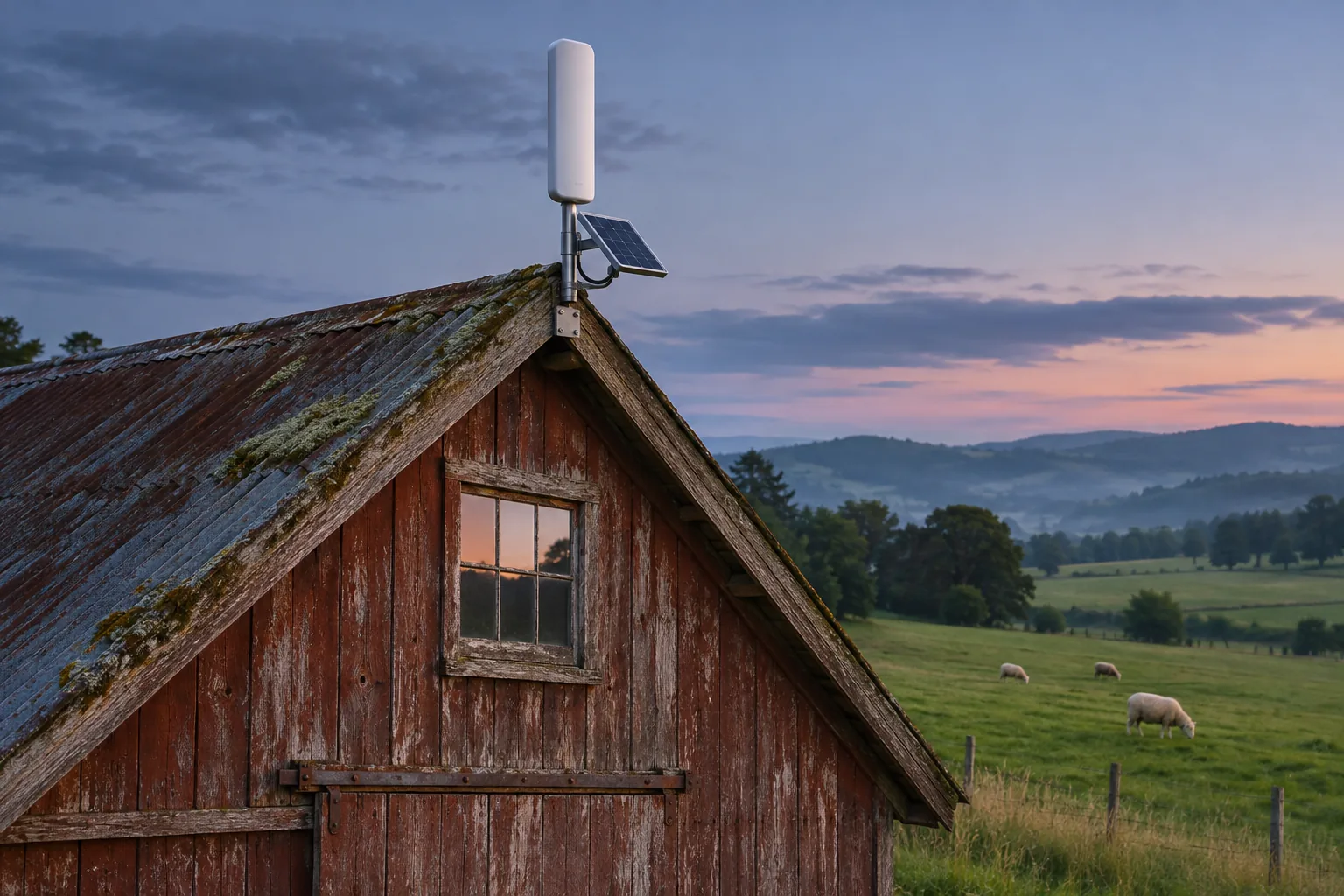
Your own network, on the barn.
One base station for the farm. It hears every collar over long-range radio and sharpens their positions.
Draw, move and find.
One app for the whole crew: fences, schedules, last reported locations and alerts, on iPhone and Android.
The trailer’s on the map too.
Trackers on the stock trailer, the UTV and the portable water report through the same base station.
Works on ground with no cell signal.
Grazova doesn’t use cell towers. Collars talk by long-range radio to a base station on your farm, and the base station passes their reports to the app over your farm’s internet.
One base station for the farm.
Mount it up high, on the barn or a pole, where it can see your pastures, and connect it to your farm’s internet. We check your ground with you before you order.
The fence holds out of range.
The line is stored on each collar, so the tone still plays at the line when a collar can’t reach the base station.
Nothing is lost.
A collar out of range keeps recording where it’s been, and sends the whole track when it’s back in range.
Say it like you would at the gate.
Every report names the animal or group, the pasture and the time. Older reports carry their date. Nothing claims to know where an animal is right now unless it was just reported.
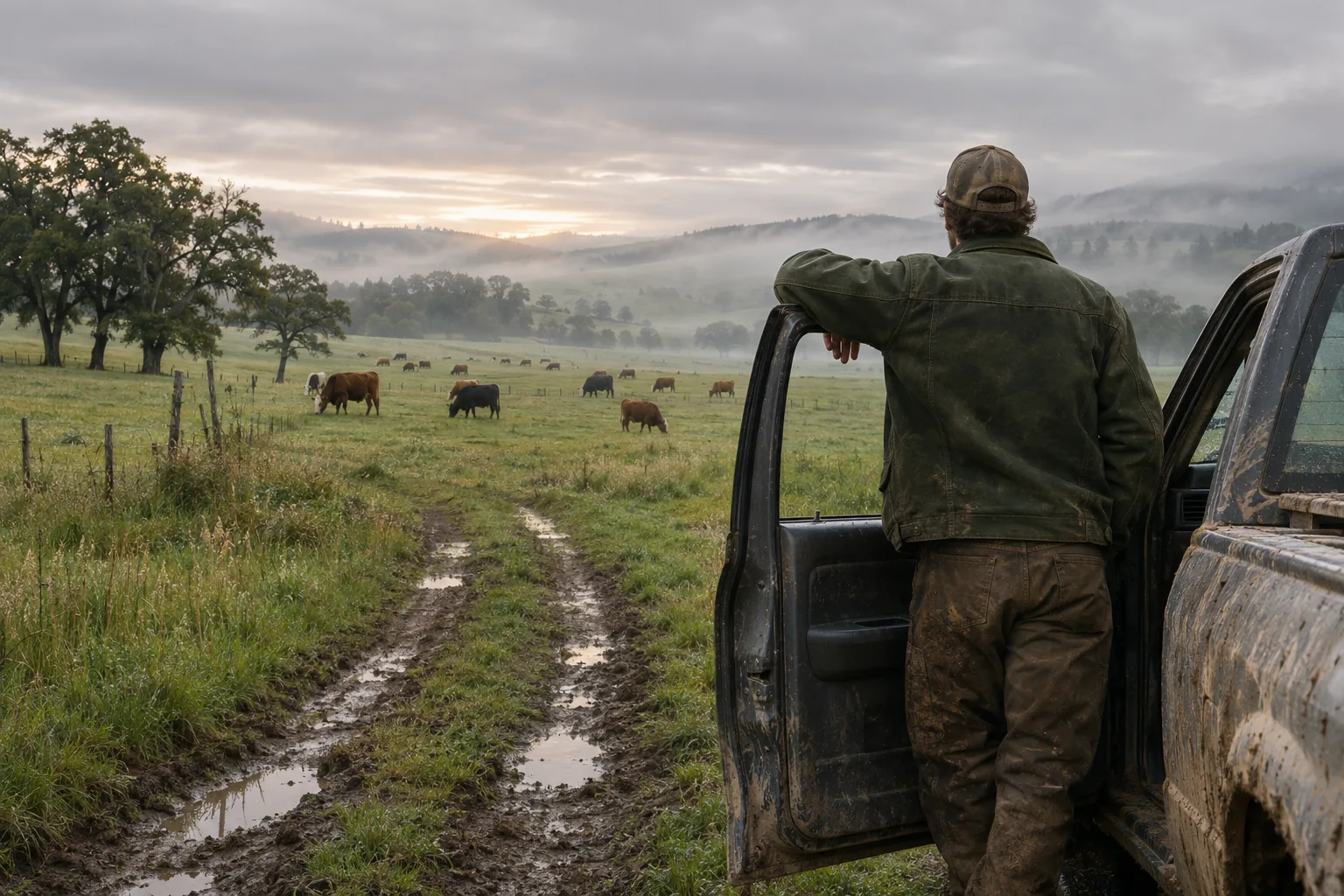
This morning on Home farm
- North pasture Strip 4 opened on schedule.
- Ewe flock Moved onto Strip 4. All 38 collars reporting.
- Tag 041 Last reported in North pasture.
- Tag 117 Reported outside West meadow. Alert sent to Sam.
- Tag 117 Back inside West meadow.
- Stock trailer Moved from the barn to the north gate.
What ranchers ask first.
More on training, alerts and fence types on the How it works page.
Which animals does Grazova work with?
Do I need cell service in my pastures?
What happens if an animal crosses the line?
Is it kind to the animals?
Should I keep my perimeter fence?

Bring Grazova to your ground.
Tell us about your herd, your pastures and your coverage. We’re lining up the first farms to run Grazova and will be in touch when collars are ready for yours.